



Blog
Grinding Disc Guide – How to Choose the Right Disc for Aluminium, Steel & Stainless
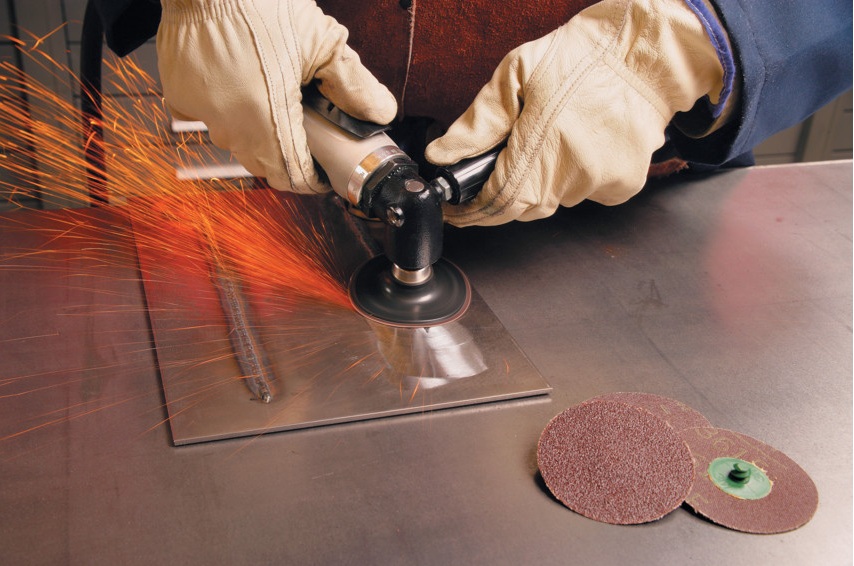
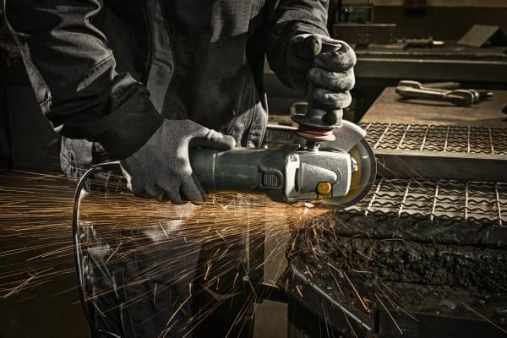
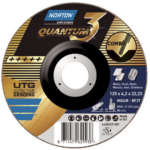
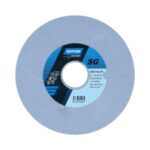
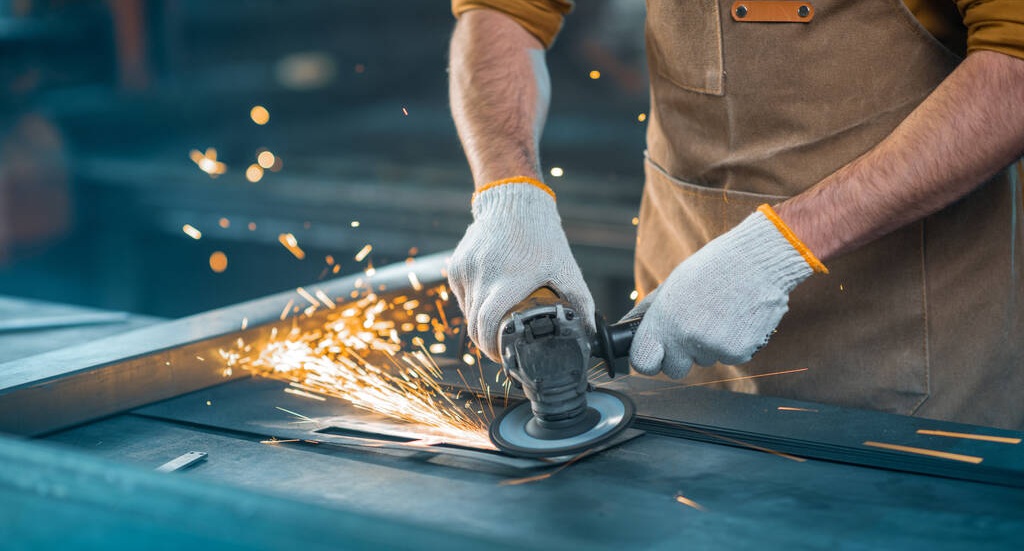
Grinding discs are designed for material removal, weld dressing, edge grinding and surface preparation.
Unlike cutting discs, they are thicker and engineered to handle side pressure, making them ideal for shaping and stock removal tasks in fabrication, engineering and construction.
We supply industrial grinding discs for mild steel, stainless steel, aluminium and stone — each requiring different abrasive types and bonding systems.
What Are Grinding Discs Used For?
Grinding discs are commonly used for:
- Weld seam removal
- Surface leveling
- Edge grinding & shaping
- Removing scale and corrosion
- Preparing surfaces before finishing or coating
- Cleaning up fabrication work
They are typically used on angle grinders (115mm, 125mm and 230mm) in workshops and on site.
Grinding Disc vs Cutting Disc – What’s the Difference?
| Feature | Grinding Disc | Cutting Disc |
|---|---|---|
| Thickness | 4–7mm (typical) | 1.0–3.0mm (typical) |
| Purpose | Material removal | Straight cutting |
| Pressure Type | Side pressure | Forward pressure only |
| Durability | Heavy-duty | Thin & fast |
| Best For | Weld removal, shaping, stock removal | Cutting metal, pipe, stone |
Choosing the Right Grinding Disc for Your Material
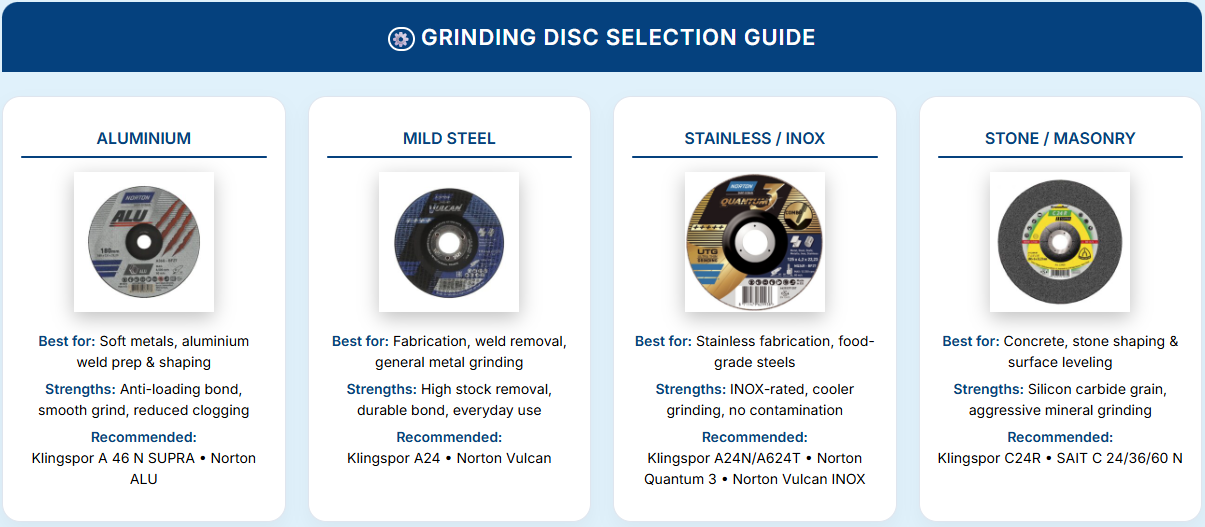
Grinding Discs for Mild Steel
Best for general fabrication, workshops and maintenance.
- Recommended abrasive: Aluminium Oxide
- Why: Durable, cost-effective, high stock removal
- Typical uses: Weld dressing, edge grinding, metal shaping
Shop Mild Steel Grinding Discs →
Grinding Discs for Stainless Steel (INOX)
Stainless requires specialist discs to prevent contamination and reduce heat issues.
- Recommended abrasive: INOX-rated Aluminium Oxide or Ceramic
- Why: Free from iron, sulphur and chlorine
- Benefits: Cooler grinding, reduced heat discoloration
Shop Stainless Grinding Discs →
Grinding Discs for Aluminium
Aluminium can clog standard discs, so specialist bonds are needed for cleaner grinding.
- Recommended abrasive: Anti-loading aluminium grade
- Why: Resists clogging and heat build-up
- Benefits: Cleaner finish, smoother grinding
Shop Aluminium Grinding Discs →
Grinding Discs for Stone & Masonry
Stone and concrete require mineral-specific abrasives designed for brittle materials.
- Recommended abrasive: Silicon Carbide
- Why: Hard, sharp grain for mineral materials
- Typical uses: Stone shaping, concrete leveling, masonry prep
Grinding Disc Grit Guide
| Grit | Best For |
|---|---|
| Coarse (16–30) | Heavy stock removal |
| Medium (36–60) | General grinding |
| Fine (80+) | Surface smoothing |
Lower grit = faster removal • Higher grit = smoother finish
Safety Tips for Using Grinding Discs
- Always use the correct disc type for the material
- Ensure the disc rating matches your grinder RPM
- Use the correct guard and PPE
- Avoid excessive pressure — let the abrasive do the work
- Do not use cutting discs for grinding
Frequently Asked Questions
Which grinding disc removes metal fastest?
Coarse grit aluminium oxide or ceramic discs typically offer the highest removal rates.
Why do I need a special disc for stainless steel?
Standard discs can contaminate stainless, leading to corrosion and surface defects — INOX-rated discs avoid this.
Can I grind aluminium with a steel grinding disc?
It’s not recommended — aluminium can load standard discs quickly. Use aluminium-grade anti-loading discs.
Can one disc grind all materials?
Multi-purpose options exist, but material-specific discs always perform better and last longer.
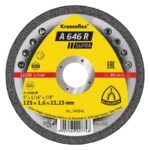
→ Cutting Discs
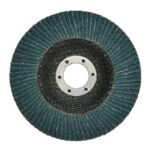
→ Flap Discs
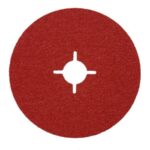
→ Fibre Discs
→ Roloc Discs
→ Surface Conditioning Discs