









Blog

Fibre Disc Guide — Types, Grits & Best Uses for Metal Grinding
Fibre Discs Guide – How to Choose the Right Disc for Grinding & Heavy Stock Removal
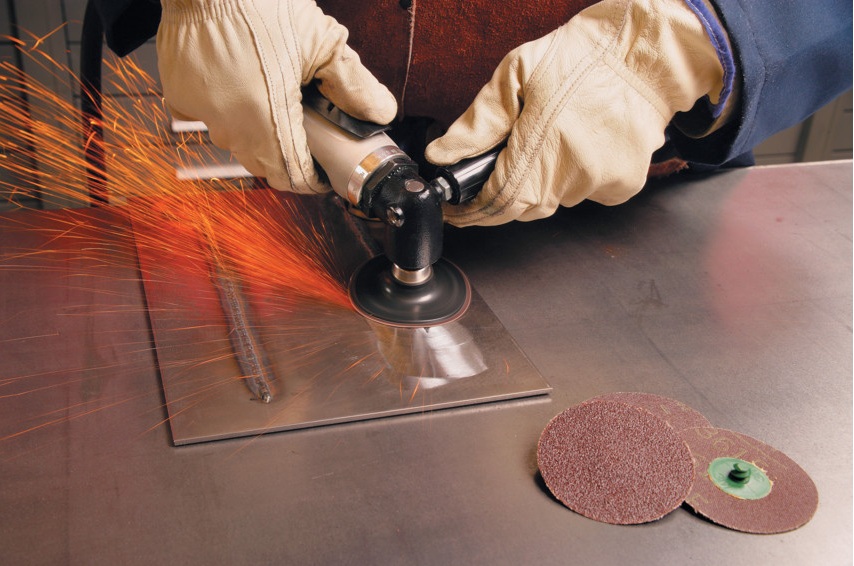
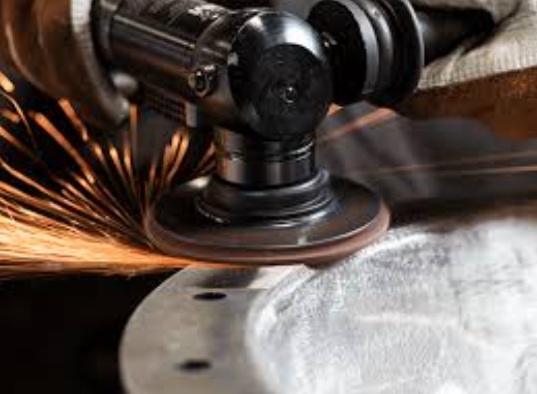
Fibre discs remain one of the most efficient abrasives for aggressive metal grinding and weld removal. Built on a rigid vulcanised fibre backing and coated with high-performance abrasive grains, they excel at fast stock removal and high-pressure grinding applications. When paired with a backing pad, fibre discs cut quickly, run cool, and leave a consistent scratch profile suitable for further finishing with flap or surface conditioning discs.
In this guide, we’ll cover the differences between Aluminium Oxide, Zirconia, Ceramic and Silicon Carbide fibre discs, how to pick the correct grit size, and when to choose fibre discs over flap discs or grinding wheels.
What is a Fibre Disc?
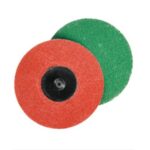
A fibre disc is a rigid abrasive disc designed for use with an angle grinder and a backing pad. Unlike flap discs which use layered abrasive flaps, fibre discs use a single coated abrasive sheet bonded to a stiff backing for maximum cutting power. This allows them to grind metal aggressively while controlling heat better than grinding wheels.
- Designed for heavy grinding & weld removal
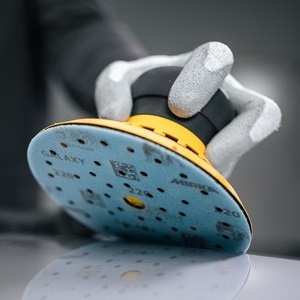
- Requires a backing pad for proper support and performance
- High stock removal rate compared to flap discs
- Cost-effective for production environments
Fibre Disc Material Types — Which Should You Choose?
The abrasive grain type determines how the disc behaves under pressure, how fast it removes material, and how long it lasts.
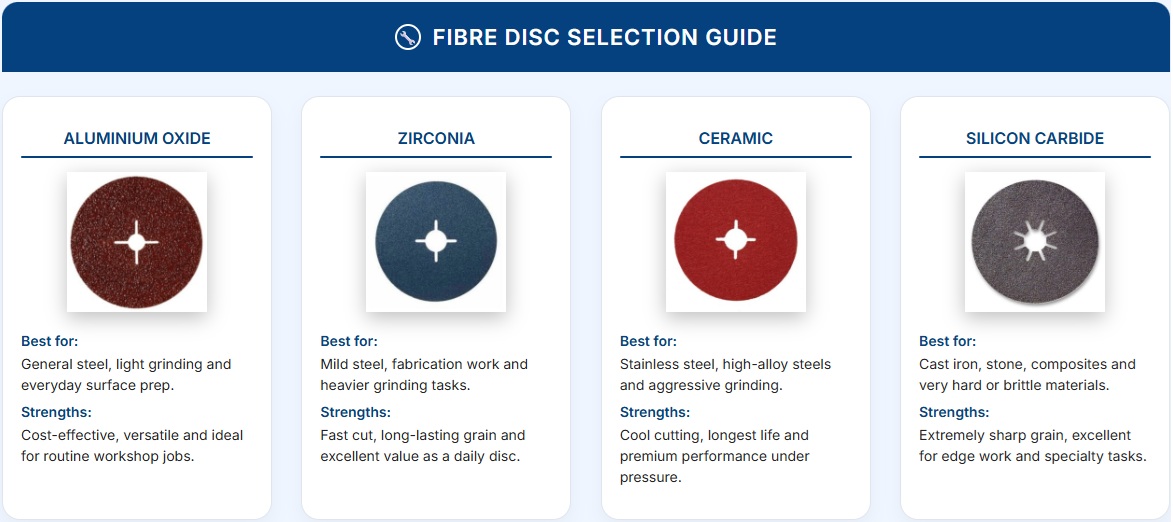
| Abrasive Type | Best For | Strengths |
|---|---|---|
| Ceramic | Stainless steel, alloys, high-pressure grinding | Cool cutting • Longest life • Premium performance |
| Zirconia | Mild steel, fabrication, auto repair | Fast cut • Great value • Everyday workhorse disc |
| Aluminium Oxide | General steel, light grinding, wood/composites | Low cost • Versatile • Reliable workshop staple |
| Silicon Carbide | Cast iron, non-ferrous, stone, glass | Very sharp • Hard/brittle materials • Specialist use |
Choosing the Right Grit
The grit level controls how aggressive the disc is. Lower = fast removal. Higher = smoother finish.
| Grit | Use Case |
|---|---|
| 24–36 Grit | Heavy weld removal & aggressive grinding |
| 40–60 Grit | General shaping & rust/paint removal |
| 80–120 Grit | Surface prep & blending prior to finishing |
Fibre Discs vs Flap Discs vs Grinding Wheels
Each abrasive serves a slightly different role. Fibre discs are the most aggressive, flap discs blend and finish, grinding wheels remove stock heavily but leave a rough finish.
| Abrasive | Strengths | Best For |
|---|---|---|
| Fibre Disc | Very aggressive • Low cost • Fast removal | Weld removal, heavy grinding |
| Flap Disc | Grinds and finishes together | Shaping, blending, smoother finish |
| Grinding Wheel | Hard wearing • Extreme removal | Thick welds, rough stock removal |
Rule of thumb: Fibre disc for fast removal. Flap disc for grinding + finish. Wheel for heavy-duty breakdown.
Popular Fibre Disc Applications
- Weld removal & metal prep
- Rust, scale & paint stripping
- Grinding stainless & mild steel
- Surface blending before coating
- Automotive body repair & fabrication
Fibre Disc FAQ
Do fibre discs need a backing pad?
Yes. A backing pad provides rigidity and support — without it the disc will not perform correctly.
Which fibre disc lasts longest?
Ceramic offers the longest life, especially under pressure on stainless steel.
Are fibre discs better than flap discs?
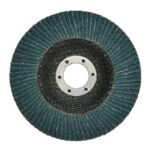
For pure grinding, fibre discs remove stock faster. Flap discs are better for finishing & blending.
Can fibre discs be used on stainless steel?
Yes — Ceramic is recommended for cool grinding and durability. Zirconia is a strong budget alternative.
Where to Buy Fibre Discs
Browse the full range of fibre discs including Ceramic, Zirconia, Aluminium Oxide & Silicon Carbide across popular sizes:
Prefer a grinding + finishing step in one?