







Shot Blasting
📘 Read our Shot Blasting Media Knowledge-Base Guide →
Shot Blasting Media for Cleaning, Surface Preparation & Finishing
Browse our range of shot blasting media for cleaning, stripping, surface preparation, profiling and finishing. Choose from aluminium oxide for aggressive cutting, steel grit and chilled iron for heavy-duty preparation, steel shot for cleaning and peening, glass bead for controlled cosmetic finishing, and specialist mineral abrasives including garnet and silicon carbide.
-

Brown-Fused Alumina Shot Blasting Abrasive Grit, 100kg – 1 Tonne
Price range: £207.81 through £2,064.72 +VATSelect options -
Chilled Iron Shot Blasting Abrasive Grit, 100kg – 1 Tonne
Price range: £255.30 through £1,932.00 +VATSelect options -
Garnet Mesh Shot Blasting Abrasive Grit, 500kg – 1 Tonne
Price range: £337.28 through £791.28 +VATSelect options -
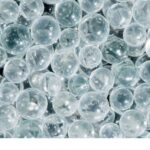
Glass Bead Shot Blasting Abrasive Grit, 100kg – 1 Tonne
Price range: £145.48 through £1,100.96 +VATSelect options -
High-Carbon Steel Shot Round Shot Blasting Abrasive Grit, 100kg – 1 Tonne
Price range: £243.00 through £1,890.00 +VATSelect options -
NEW Black Silicon Carbide Shot Blasting Abrasive Grit, 100kg – 1 Tonne
£425.70 – £5,371.38 +VATSelect options -
Steel Angular Grit Shot Blasting Abrasive Grit, 100kg – 1 Tonne
Price range: £243.00 through £1,890.00 +VATSelect options -
White-Fused Alumina Shot Blasting Abrasive Grit, 100kg – 1 Tonne
Price range: £255.68 through £2,198.00 +VATSelect options
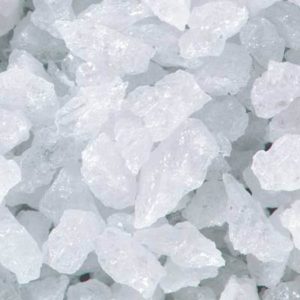
Shot Blasting Media – Choose the Right Abrasive for Your Application
Selecting the correct shot blasting media has a major effect on cleaning speed, surface profile and the final finish. Hard, angular media cuts aggressively into the workpiece and is well suited to removing scale, corrosion and coatings, while rounder or less aggressive media can clean and refine a surface with less change to the underlying profile.
The best blasting abrasive depends on the material being treated, the required surface finish, the blasting equipment and whether the media needs to cut, clean, peen or refine. Our range covers everything from general industrial metal preparation to controlled cosmetic finishing and specialist blasting applications.

Looking for other grinding, cleaning and surface preparation products? Explore our related abrasive categories:
Related Grinding & Surface Preparation Categories:
Aluminium Oxide Blasting Media
Aluminium oxide is a hard, sharp and angular blasting abrasive designed for effective cleaning, surface preparation and profiling. Its aggressive cutting action makes it particularly useful where rust, coatings, contamination or scale need to be removed and a defined surface profile is required before coating or finishing.
Popular choices include Brown-Fused Alumina Shot Blasting Abrasive Grit and White-Fused Alumina Shot Blasting Abrasive Grit. Brown fused alumina provides a strong general-purpose cutting action for demanding blasting applications, while white fused alumina provides a high-purity abrasive option for applications where cleanliness and controlled blasting are particularly important.
- Best for: aggressive cleaning, surface profiling, coating preparation and general industrial blasting
- Why choose: hard, angular grain provides fast cutting and effective surface preparation
- Tip: choose the grit size according to the amount of material removal and surface profile required
View Aluminium Oxide Blasting Media →
Steel Grit & Chilled Iron
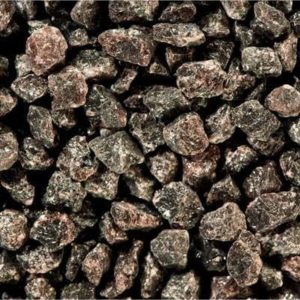
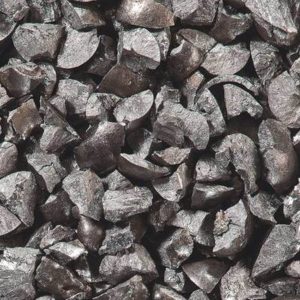
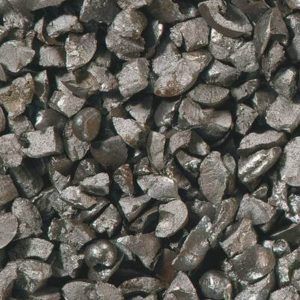
Steel grit and chilled iron are hard metallic blasting media suited to demanding cleaning and preparation work. Their angular shape provides strong cutting action, making them effective for removing rust, scale and old coatings from ferrous components and preparing surfaces for subsequent coating or treatment.
Popular choices include Steel Angular Grit Shot Blasting Abrasive Grit and Chilled Iron Shot Blasting Abrasive Grit. These media are suited to applications where an aggressive blasting action and a pronounced surface profile are required.
- Best for: rust and scale removal, heavy cleaning and surface preparation on ferrous metals
- Why choose: aggressive angular particles provide strong cutting and profiling action
- Tip: metallic media is generally best suited to compatible blasting systems designed to handle its weight and impact
View Steel Grit & Chilled Iron →
Steel Shot
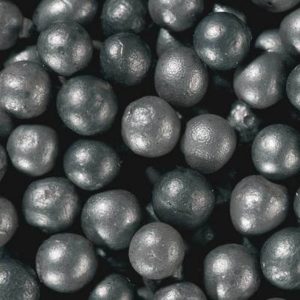
Steel shot differs from angular steel grit because its particles are predominantly round rather than sharp-edged. Instead of aggressively cutting into the surface, the rounded particles produce more of a hammering or peening action, making steel shot useful for cleaning, descaling and treating metallic components where a smoother blasted finish is required.
Popular choices include High-Carbon Steel Shot Round Shot Blasting Abrasive Grit. Its durable metallic construction makes it particularly suited to industrial blasting applications where reusable media and consistent impact performance are important.
- Best for: cleaning, descaling, shot peening and treatment of steel components
- Why choose: rounded particles clean and impact the surface without the aggressive cutting action of angular grit
- Tip: choose steel shot when you want a smoother blasted profile than would normally be produced by angular steel grit
View Steel Shot Blasting Media →
Glass Bead Blasting Media
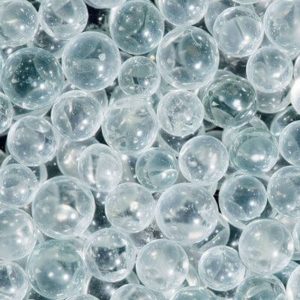
Glass bead is designed for controlled cleaning and cosmetic surface finishing. The rounded beads provide a gentler blasting action than sharp angular abrasives, allowing surfaces to be cleaned or refined while reducing aggressive material removal.
Popular choices include Glass Bead Shot Blasting Abrasive Grit. Glass bead is commonly selected where appearance matters and a clean, uniform blasted finish is required rather than a heavily etched or aggressively profiled surface.
- Best for: cosmetic finishing, light cleaning and controlled surface refinement
- Why choose: gentler blasting action produces a clean and consistent finish
- Tip: choose glass bead where you want to clean or refine the surface without the deep profile produced by aggressive angular media
View Glass Bead Blasting Media →
Specialist Mineral Abrasives
Specialist mineral blasting abrasives provide alternative performance characteristics for applications where conventional metallic media or aluminium oxide may not be the best choice. They can offer differences in hardness, cutting rate, surface profile and suitability for specialist processes.
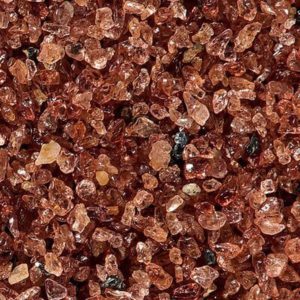
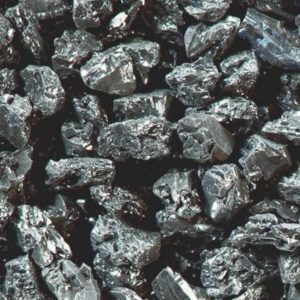
Popular choices include Garnet Mesh Shot Blasting Abrasive Grit and Black Silicon Carbide Shot Blasting Abrasive Grit. Garnet provides a versatile mineral abrasive for blasting and other abrasive processes, while black silicon carbide is exceptionally hard and sharp, making it suited to demanding applications requiring a fast and precise cutting action.
- Best for: specialist blasting, hard materials and applications requiring specific cutting characteristics
- Why choose: alternative mineral properties allow the blasting process to be matched more closely to the application
- Tip: silicon carbide is extremely aggressive, so use it where its high hardness and sharp cutting action are genuinely required
View Specialist Blasting Abrasives →
Shot Blasting Media Quick Selection Guide
| Media Type | Best For | Typical Uses |
|---|---|---|
| Aluminium Oxide | Aggressive cutting & profiling | Rust removal, coating removal, surface preparation and profiling |
| Steel Grit & Chilled Iron | Heavy-duty metal preparation | Scale removal, heavy cleaning and preparation of ferrous components |
| Steel Shot | Cleaning & peening | Descaling, cleaning, shot peening and smoother blasted finishes |
| Glass Bead | Controlled cosmetic finishing | Light cleaning, surface refinement and uniform finishes |
| Specialist Mineral Abrasives | Specialist cutting & blasting | Hard materials, precision blasting and specialist surface preparation |
Frequently Asked Questions
What is shot blasting media?
Shot blasting media is the abrasive material propelled against a workpiece during blasting. Different media can remove rust, scale, paint and contamination, create a surface profile, clean components or produce a particular cosmetic finish.
What is the best shot blasting media for rust removal?
For aggressive rust and scale removal on suitable ferrous components, angular media such as aluminium oxide, steel grit or chilled iron are commonly used. The best option depends on the substrate, blasting equipment and surface profile required.
What is the difference between steel grit and steel shot?
Steel grit is angular and cuts into the surface, making it suitable for aggressive cleaning and profiling. Steel shot is round and produces more of an impact or peening action, resulting in a smoother blasted surface.
When should I use glass bead for blasting?
Glass bead is useful when you need controlled cleaning or cosmetic finishing without the aggressive cutting action of angular abrasive grit. It is particularly suitable where maintaining the underlying shape and producing a uniform appearance are important.
What is aluminium oxide blasting media used for?
Aluminium oxide is used for aggressive cleaning, coating removal, surface profiling and preparation before painting or coating. Its hard, angular grain cuts efficiently into a wide range of surfaces.
What is the difference between brown and white fused alumina?
Both are aluminium oxide blasting abrasives. Brown fused alumina is a durable general-purpose abrasive for demanding surface preparation, while white fused alumina is a higher-purity aluminium oxide commonly selected where a cleaner blasting medium or more controlled process is required.
What is silicon carbide blasting media used for?
Silicon carbide is an extremely hard and sharp abrasive suited to demanding blasting applications, hard materials and situations requiring fast cutting. Its aggressive action means it should be selected carefully according to the workpiece and finish required.
How do I choose the correct blasting grit size?
Coarser blasting media generally removes material more aggressively and creates a heavier surface profile, while finer media gives greater control and a finer finish. The correct grade depends on the substrate, contamination being removed and the required final surface.
