



Blog
Wood vs Stainless vs Aluminium
A quick-reference grit guide for Wood, Stainless Steel and Aluminium. Start coarse to remove stock, then step through grits for a clean, even finish.
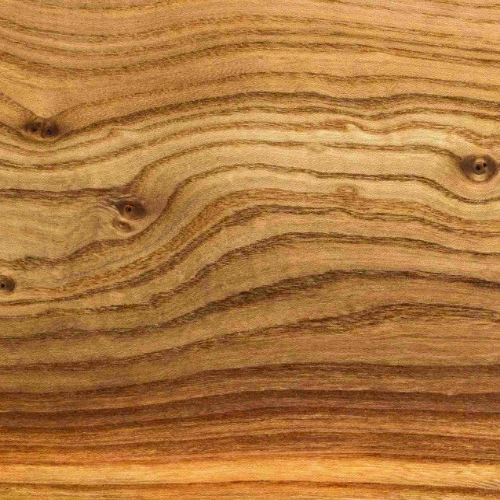
Wood — softwoods & hardwoods
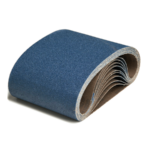
Progression: 60 → 80 → 120 → 150/180 → 220. Use open-coat belts on pitchy softwoods.
- Heavy stock: 40–60 (Zirc/Ceramic)
- Shaping: 80–120 (AO; open coat)
- Pre-finish: 150–180
- Fine: 220–320
| Goal | Grit | Notes | Abrasive |
|---|---|---|---|
| Flattening | 40–60 | Planer marks, high spots | Zirc/Ceramic |
| Shaping | 80–120 | Preps for fine grits | AO (open) |
| Pre-finish | 150–180 | Before lacquer/oil | AO |
| Fine | 220–320 | Between coats | AO / SiC |
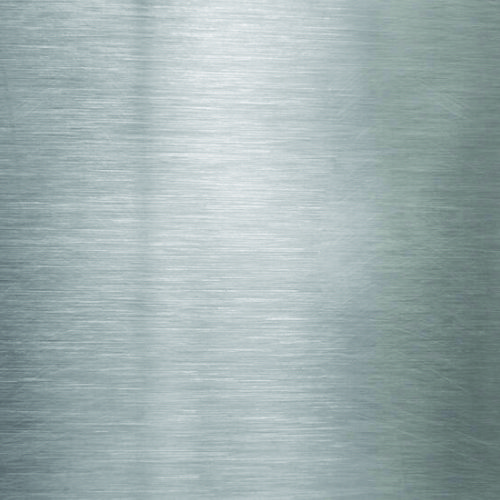
Stainless Steel — 304/316
Progression: 36/40 → 60 → 80 → 120, then Trizact/non-woven to finish.
- Weld removal: 24–40 (Ceramic; grinding aid)
- Blend/shape: 60–80 (Ceramic/Zirc)
- Pre-finish: 120–180
- Satin: ~180–240 then non-woven
| Goal | Grit | Notes | Abrasive |
|---|---|---|---|
| Weld knock-down | 24–40 | Only where needed | Ceramic |
| Linemishing | 60–80 | Blend to base level | Ceramic/Zirc |
| Pre-finish | 120–180 | Removes 60–80 scratch | Zirc / AO |
| Satin / uniform | Trizact A160→A65 | Even scratch pattern | Structured / NW |
Aluminium — plate, extrusion, cast
Progression: 80 → 120 → 180/220. Use stearated/open-coat belts.
- Shaping/deburr: 60–80
- Clean-up: 120–150
- Pre-paint: 180–220
- Fine: 240–320
| Goal | Grit | Notes | Abrasive |
|---|---|---|---|
| Deburr / shape | 60–80 | Castings may need 60 | Zirc / AO |
| Clean-up | 120–150 | Remove tool marks | AO (stearate) |
| Pre-paint | 180–220 | Even scratch pattern | AO / SiC |
| Fine | 240–320 | Light pressure | AO / SiC / NW |
Frequently Asked Questions
What grit should I start with for wood?
Begin at 60–80 grit for heavy stock removal. Only drop to 40 if you need to flatten very rough surfaces.
Why use open-coat abrasives on softwoods?
They prevent clogging when sanding resinous or pitchy timbers like pine, extending belt life.
What’s best for stainless finishing?
Work through 60–120 grit, then move to Trizact or non-woven belts for a uniform satin finish.
Can I use the same belts for aluminium and steel?
It’s not recommended. Aluminium requires stearated or open-coat belts to avoid loading, while steel benefits from ceramics or structured abrasives.