












Blog
Why Do Sanding Belts Break? Common Causes & Fixes
Sanding belts are designed for durability, but even high-quality belts can break if something isn’t quite right. Most failures come down to a handful of common issues. Below, we’ve outlined the main problems and their fixes so you can avoid downtime and wasted belts.
Problem 1: Incorrect Belt Tension
The Problem:
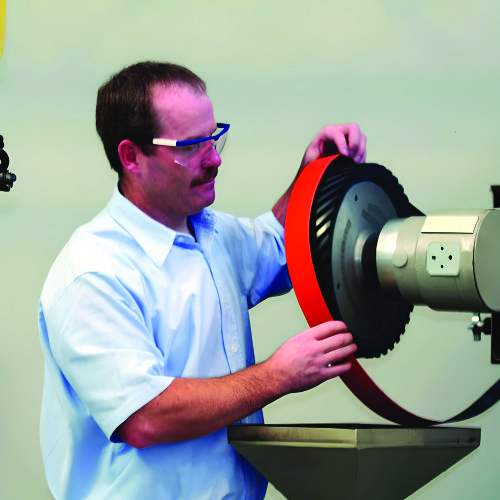
If the belt is installed too tightly, it puts excessive strain on the splice (joint), causing it to snap. If it’s too loose, the belt may slip, misalign, or tear under pressure.
The Fix:
Follow your sander’s manufacturer guidelines. Modern machines often have automatic tensioning, but for manual adjustment, make sure the belt is snug enough to track properly without being overstretched.
Problem 2: Worn or Damaged Splice
The Problem:
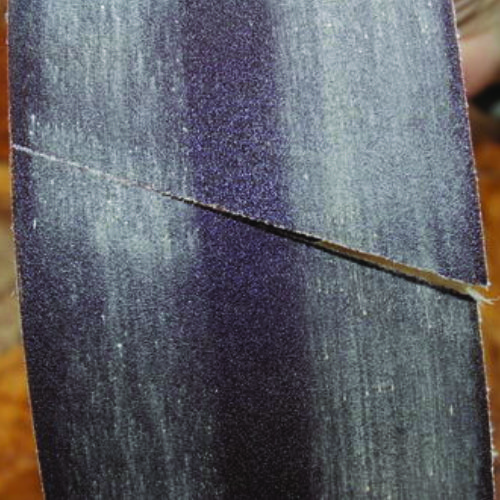
The splice (the joint where the belt is bonded) is the weakest point of any belt. Heat, storage issues, or poor manufacturing can cause it to split apart.
The Fix:
Inspect the splice before fitting. Store belts flat in a cool, dry place. If splices keep failing, upgrade to higher-quality belts such as Hermes RB377YX or Sia 2829 Zirconia.
Problem 3: Incorrect Belt Tracking
The Problem:
If the belt drifts off-centre, it may rub against the sander housing or slip off completely, tearing or snapping.
The Fix:
Adjust tracking regularly so the belt stays centred. On machines with automatic tracking, check calibration. If rollers are misaligned, have the machine serviced before it damages multiple belts.

Problem 4: Excessive Heat Build-Up
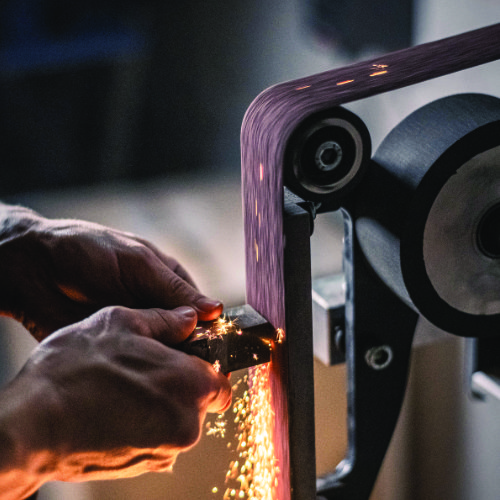
The Problem:
Too much friction causes heat, softening the splice adhesive and weakening the belt backing. This is common when sanding metal without cooling or extraction.
The Fix:
Use the right abrasive. Ceramic belts cut cooler and last longer under high pressure. Improve dust extraction and avoid running belts continuously without breaks.
Problem 5: Wrong Belt for the Material
The Problem:
Aluminium Oxide belts wear out very quickly on stainless steel or hard alloys. When belts fail too fast, the splice is overstressed and snaps.
The Fix:
Match the abrasive to the job:
- Aluminium Oxide: Wood, soft metals, plastics
- Zirconia: Stainless steel, hard alloys
- Ceramic: Heavy stock removal, aerospace alloys
Problem 6: Poor Storage Conditions
The Problem:
Belts stored in damp, hot, or curled positions become brittle, weakening the splice and backing.
The Fix:
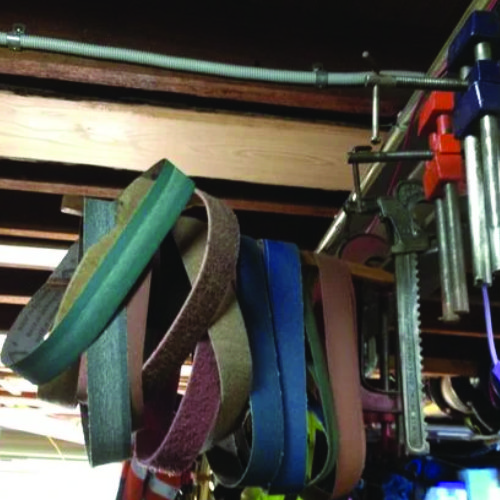
Store belts flat, away from moisture and heat. Keep them in their packaging until ready to use. Never hang belts for long periods, as this can distort their shape.
Quick Reference: Problems & Fixes
| Problem | Why It Happens | The Fix |
|---|---|---|
| Incorrect Tension | Overstretching or slippage | Set to manufacturer spec |
| Damaged Splice | Weak joint from heat/storage | Inspect & use quality belts |
| Incorrect Tracking | Belt drifts or rubs housing | Realign or service rollers |
| Excessive Heat | Splice adhesive softens | Use ceramic, dust extraction |
| Wrong Belt Choice | Soft grains fail on hard alloys | Match abrasive to material |
| Poor Storage | Moisture/heat weakens splice | Store flat, cool, and dry |
By separating the problem and the fix, you can troubleshoot faster and take simple steps to extend the life of your sanding belts. Correct setup, proper storage, and choosing the right abrasive will reduce breakages and improve your results.