








Shop
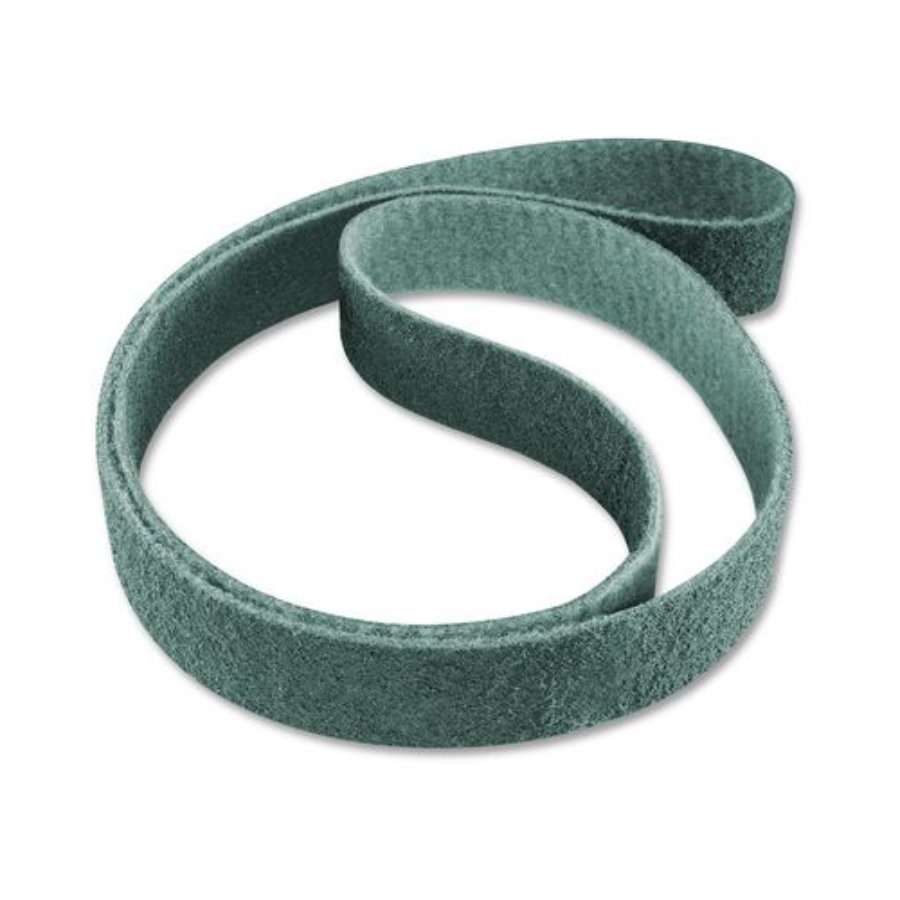
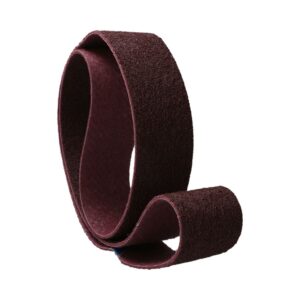
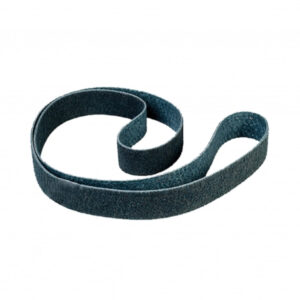
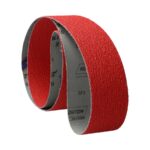
Belt Calculator – Sia 6270 Siamet SCM LS Surface Conditioning Sanding Belts
£0.00 +VAT
Please enter your desired belt width, length & grade/grit size below, which will then give you the price and enable you to add this to your basket.

Description
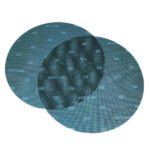
Product Description of the Sia 6270 Siamet SCM LS Surface Conditioning Sanding Belts
The new 6270 SCM range with high-performance blue fired aluminium oxide grain and improved low stretch scrim helps deliver longer lifetime and faster working in both discs and belts.
• Excellent and consistent finish over a long period of time
• Suitable for general use in dry and wet sanding applications
• Low-stretch belt
• More durable so more resistant on edges
• Considerably more resistant to smearing than existing products, especially at the edge of the disc when working at tight angles
• Grit: Aluminium oxide / blue-fired
• Backing: Non-woven
• Bonding: Resin over resin
• Coating: Mechanical
• Cut: 7 (high)
• Lifetime: 8 (long)
• Finishing: 8 (good)
• Flexibility: 3 (rigid)
• Contact pressure: 7 (strong)
Advantages
• Excellent and consistent finish over a long period of time
• Suitable for general use in dry and wet sanding applications
• Low-stretch belt
• More durable so more resistant on edges
• Considerably more resistant to smearing than existing products, especially at the edge of the disc when working at tight angles
• Deburring
• Removal of rust and paint
• Removing discolouration
• Surface treatment
• Finishing to prepare for coating and electroplating
Substrates
Unalloyed / low-alloy steel; High-alloy steels; Non-ferrous metal; Aluminium
Data Sheet for the Belt Calculator - Sia 6270 Siamet SCM LS Surface Conditioning Sanding Belts
[google-drive-embed url="https://drive.google.com/file/d/1-MFpbgMhyCD1FPu6K8tYaioU0elL63Q0/preview?usp=drivesdk" title="Sia 6270 Siamet SCM LS Surface Conditioning Sanding Belts.pdf" icon="https://drive-thirdparty.googleusercontent.com/16/type/application/pdf" width="100%" height="1200" style="embed"]Why Use Surface Conditioning Belts?
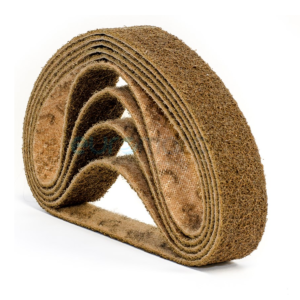
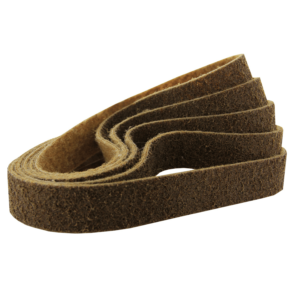
Non-woven or surface conditioning sanding belts are becoming increasingly popular in the finishing industry due to their versatility and ease of use. They are made up of a combination of nylon fibers and abrasive grains that are bonded together with a resin. This creates a flexible, open structure that allows the belt to conform to irregular shapes and contours.
The main advantage of non-woven sanding belts is their ability to provide a consistent finish across a wide range of materials. They are ideal for use on soft metals, such as aluminum, brass, and copper, as well as hard metals like stainless steel and titanium. Non-woven sanding belts are also highly effective on non-metallic surfaces such as plastics, composites, and woods.
The open structure of non-woven sanding belts means that they are less likely to clog, which is a common problem with traditional sanding belts. This also means that they tend to last longer, which can result in significant cost savings over time. Non-woven sanding belts are available in a variety of grits, ranging from coarse to fine, making them suitable for a wide range of applications.
One of the key features of non-woven sanding belts is their ability to produce a consistent finish without leaving any scratches or marks on the workpiece. This is achieved through the use of abrasive grains that are embedded in the nylon fibers. As the belt is used, the nylon fibers gradually wear away, exposing fresh abrasive grains. This ensures that the finish remains consistent throughout the life of the belt.
Another advantage of non-woven sanding belts is their ability to remove material quickly without generating excessive heat. This is due to the open structure of the belt, which allows air to flow freely through the abrasive layer. As a result, there is less friction generated during use, which reduces the risk of heat buildup and the potential for damage to the workpiece.
Non-woven sanding belts are available in a variety of different shapes and sizes to suit a wide range of applications. They are also available with different backings, including cloth and paper, to provide additional strength and durability. Some non-woven sanding belts are designed specifically for use with portable belt sanders, while others are intended for use with stationary machines.
In conclusion, non-woven or surface conditioning sanding belts are an excellent choice for those looking for a versatile and effective solution for their finishing needs. With their open structure, ability to conform to irregular shapes, and ability to provide a consistent finish, they are ideal for use on a wide range of materials. Additionally, their ability to remove material quickly without generating excessive heat makes them a great choice for high-volume production environments.
Additional information
| Grit Type | |
|---|---|
| Grade / Grit | |
| Substrates/Surfaces | Non-Ferrous Metals, Stainless Steel, Carbon/Mild Steel, Composites |
| Characteristics |